

Planning Ahead for Safe and Stress-Free Dog Transport
Travelling with your dog is no longer just a dream. More families across India are choosing to bring their furry companions along, whether it is a holiday, a relocation, or a long-distance move to a new city. At PetAeron, our pet transportation services are built around this very belief, and we are here to make sure every journey is handled with the care and expertise your dog deserves.
Getting your dog from one place to another safely is not as simple as it sounds. The right approach depends on a few important factors like your dog’s size, their temperament, and the distance you are covering.
In this guide, we break down three of the most common ways to travel with your dog, by air, road, and train, so that you can make the best choice for your furry co-traveller.
Flying with Dogs: Essential Guidelines and Requirements
For most Indian pet parents, flying with their dog for the first time brings a mix of excitement and anxiety. However, with PetAeron guiding the process, initial uncertainty gives way to a smooth and clearly structured experience.
Flying with Dogs: Essential Guidelines and Requirements
Airline pet policies and documentation:
Choosing an IATA-approved travel crate
Pre-flight prep: vet check, feeding and hydration
How to take your dog on a road trip
Selecting the Right Travel Setup: Crates, Harnesses, and Car Barriers
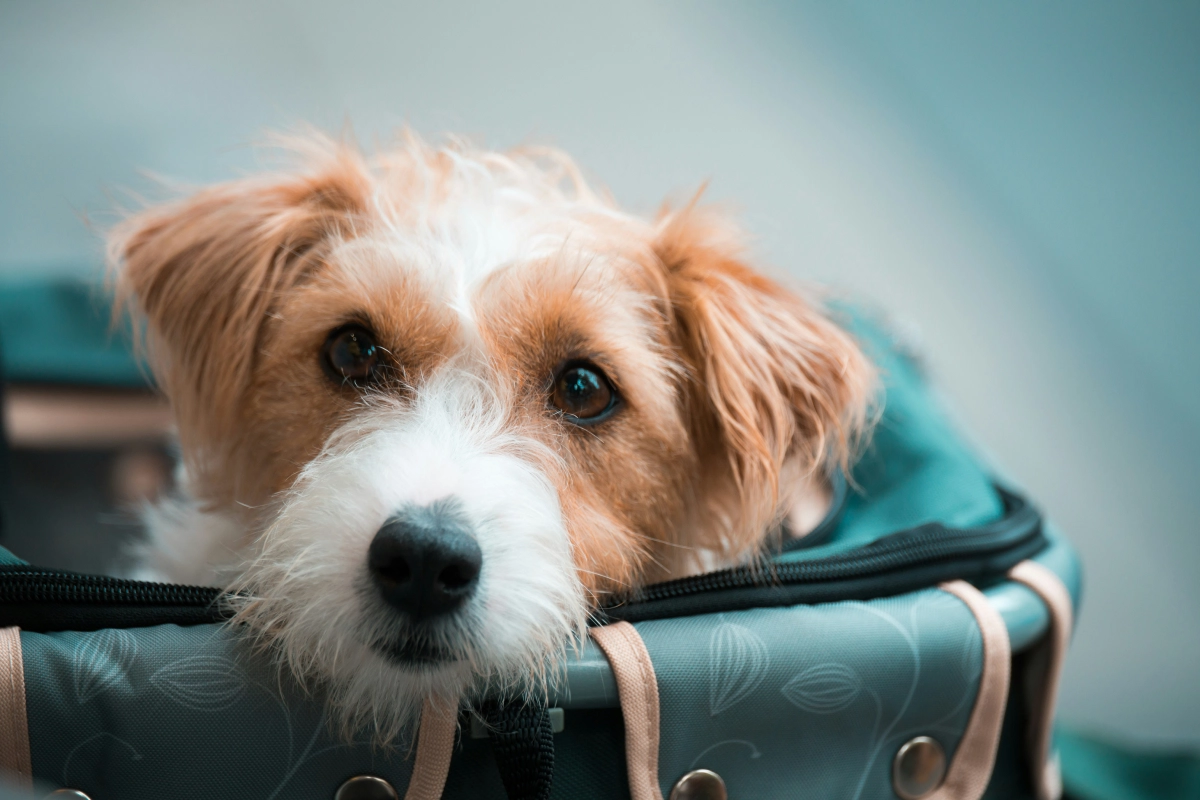
To ensure a smooth journey and avoid distractions, it’s important to keep your dog safely secured and comfortable while the car is in motion. Crates work best for anxious dogs on longer drives, harnesses clip into seatbelts for dogs who like to sit up, and car barriers are ideal for larger breeds in the boot area. Pick what suits your dog’s size and temperament.
Planning Stops and Travel Essentials for Your Dog
At PetAeron, we recommend planning a break every two hours so your dog can have water, stretch, and relieve itself. Include necessities such as waste bags, their usual food, and a favourite toy in your pack. If you are booking a long-distance journey with PetAeron, we ensure scheduled stops are included to keep your pet comfortable throughout the trip.
Heat safety and motion sickness
Taking your dog on a train in India: rules and best practices
Carrier requirements and size restrictions
Indian Railways allows dogs in First Class cabins with their owners or in the brake van, subject to availability and reservations. To travel with your dog in First Class, you may need to reserve the entire cabin.
Pets in the braking van must be in a secure crate, well-ventilated crate and charged per weight. Valid booking, tagging, and basic health fitness are required before departure. Since availability and conditions vary, planning ahead ensures a safe and smooth trip for your dog.
Pet policies across major rail operators
Keeping your dog calm around strangers
Best seats and timing to avoid crowds
Universal dog travel safety tips for any journey
Microchip and ID tags
Pack a dog travel kit
Keep your dog calm and comfortable
Best seats and timing to avoid crowds
Your dog deserves a safe journey
Every dog is different, and every journey is unique. Some dogs are born travellers; others need a little more love and preparation. At PetAeron, as a dedicated pet relocation company, we understand that better than anyone, because we work with pet parents every single day, who want nothing but the safest pet transport for their beloved dogs.
Whether you are flying, driving, or travelling by train, our team handles everything from documentation and crate selection to real-time updates throughout the journey. No guesswork, no last-minute panic, just a smooth and safe experience for your dog from start to finish.
When you choose PetAeron, you are not just booking a pet transportation service. You are trusting us with a member of your family, and that is a responsibility we take very seriously.
FAQs
The safest way depends on your dog's size, temperament, and the distance involved. For short to medium distances, road travel with a secured crate or harness is often the most comfortable option. For longer distances, flying in-cabin with a trusted pet transport service is ideal for smaller dogs. Whatever mode you choose, the key is preparation, the right carrier, updated documents, and a vet check before you go.
The honest answer is that it varies based on factors like your dog’s comfort with travel, the airline’s procedures, and the level of preparation involved. That said, anxious or older dogs may find it more stressful. If cargo is unavoidable, working with an experienced pet relocation company makes a significant difference in keeping your dog safe and calm throughout.
Most vets actually advise against sedating dogs for flights. Sedation can affect a dog's balance and natural ability to stabilise themselves during turbulence, which can be more harmful than helpful. Instead, focus on crate training, familiar items, and calming aids recommended by your vet. If you are concerned about anxiety, speak to your vet well in advance and explore safer alternatives together.
This is something every pet parent worries about, and rightly so. At PetAeron, we make sure you are never left in the dark. Our team provides real-time updates and regular check-ins throughout the entire journey, so you always know exactly where your dog is and how they are doing. Your peace of mind is just as important to us as your dog's safety.
For domestic travel you will typically need a vet-issued health certificate, proof of vaccination including rabies, and sometimes a fitness-to-fly certificate for air travel. For international pet transport, requirements are more detailed and vary by destination country. Starting the paperwork at least four to six weeks in advance saves a lot of last-minute stress.